If you decide to stop GLP-1 treatment, it is important to do so safely. This clinical guide explains how to reduce your dose gradually, what to expect during the process, and how to maintain healthy habits afterward.
If you decide to stop GLP-1 treatment, it is important to do so safely. This clinical guide explains how to reduce your dose gradually, what to expect during the process, and how to maintain healthy habits afterward.
Clinical experts in weight management
NICE and MHRA approved medications
Nutrition and coaching support included
Written by
Dr Abby Hyams
Doctor
Reviewed by
Jeff Hadaway
Head of Operations
Last Updated: Oct 11, 2026
Next Review: Nov 11, 2026
Guide contents
01Introduction
02Why Stopping GLP-1s Requires Care
03When to Consider Stopping GLP-1 Treatment
04Step-Down Approach: How to Taper Safely
05The Role of Ongoing Support
06What to Expect After Stopping
07Alternative to Stopping: Maintenance Dose
08Summary
09About the author
10Disclaimer
Articles related to How to Safely Stop GLP-1 Medication
GLP-1 receptor agonists such as semaglutide, tirzepatide, and liraglutide have helped many people achieve significant weight loss and improved metabolic health.
However, there may come a time when you and your clinician decide to pause or stop treatment. This could be because you have reached your goal weight, wish to try a maintenance phase, or are experiencing side effects.
Stopping suddenly can lead to rapid appetite return side effects from coming off quickly and weight regain. A gradual, medically supervised step-down plan is the safest approach.
GLP-1 medications work by slowing digestion, suppressing appetite, and improving blood-sugar control. When the drug is stopped abruptly, these effects wear off within days or weeks. Hunger signals and food cravings can rebound, and energy balance can shift quickly.
Tapering allows your body and appetite to adjust gradually, reducing the risk of overeating or losing the behavioural progress made during treatment.
You might discuss stopping with your clinician if:
Any change should always be discussed with your prescriber first.
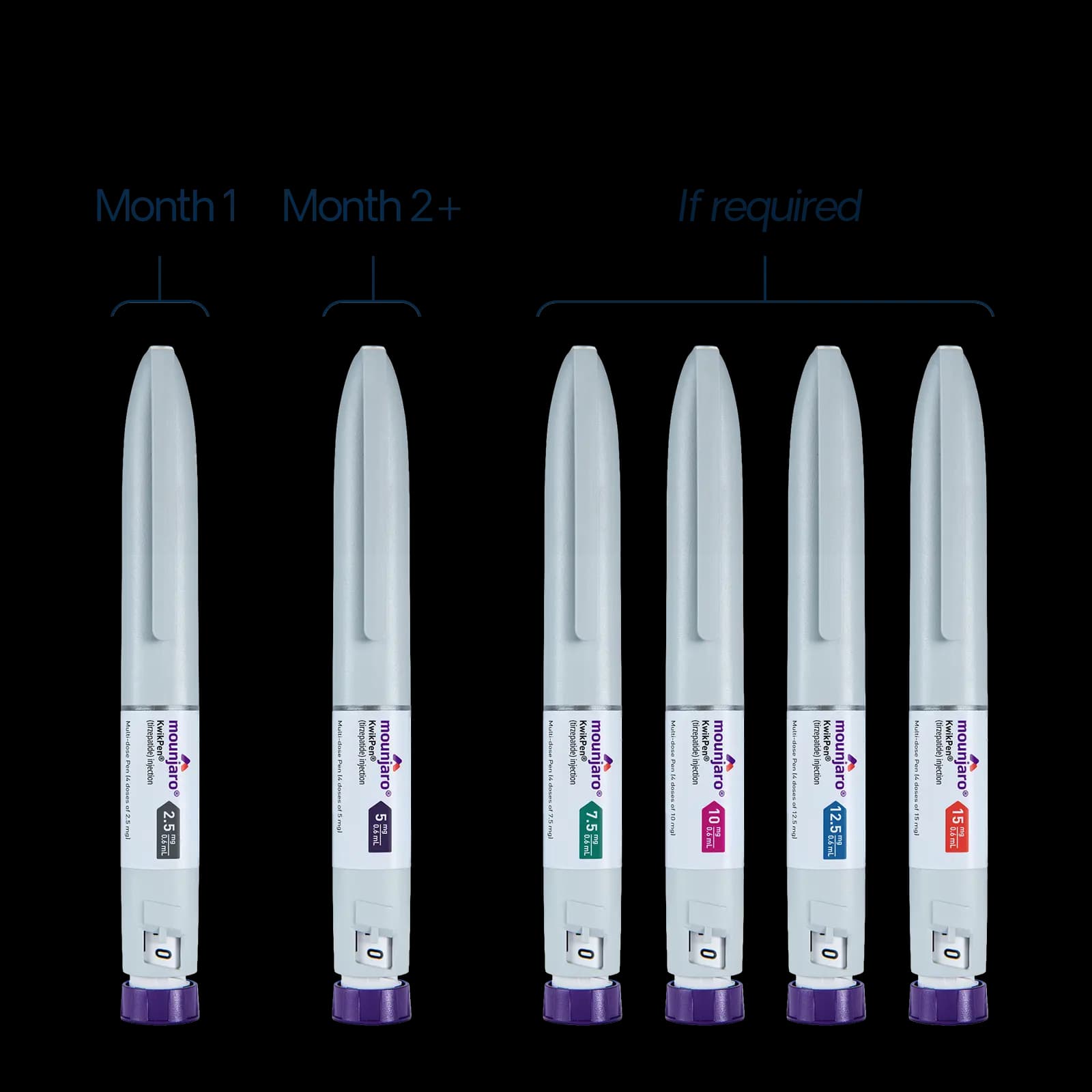
Work with your clinician to move down one dose level at a time over several weeks. For example, if you are taking 10 mg weekly, step down to 7.5 mg, then 5 mg, then 2.5 mg before stopping completely.
If tolerated, your clinician may also recommend spacing injections slightly further apart to ease the transition.
You may notice hunger returning or mood fluctuations. Tracking your meals and emotional patterns can help identify triggers and prevent overeating.
Continue with regular meals, balanced nutrition, and adequate protein. Maintaining these habits and portion control from being on the medication is key, as overeating once the medication has stopped can lead to rapid weight gain.
Physical activity supports metabolism and helps stabilise appetite during the transition. Maintaining good hydration can reduce cravings and fatigue.
For more information see our detailed Tapering Off Mounjaro guide.
Behavioural and nutritional support becomes especially important when stepping off medication. Health coaches at Medicspot help patients build sustainable strategies for long-term weight maintenance.
Advice from Laura Reed, Health Coach: “When coming off GLP-1 treatment, structure and consistency matter more than ever. Keep the same meal routine, plan your food in advance, and use accountability tools like food tracking or check-ins. This helps your body and mind stay in sync.”
Regular check-ins and clear maintenance goals help prevent reversal of progress: as per NICE guidelines Medicspot offers 12 months’ post-treatment support for members who have been with us for at least 4 months and who have stopped taking the medication.
Some patients choose to remain on a lower maintenance dose for a longer period. This approach can help sustain weight stability while continuing lifestyle work. Your clinician will advise whether this is appropriate for you based on your health, progress, and goals. For more information, see our Mounjaro Maintenance Dose guide.
GLP-1 therapy should always be stopped under medical supervision and never abruptly. A gradual dose reduction gives your body time to adapt and reduces the chance of rebound hunger or weight regain. With ongoing support, balanced nutrition, and active self-monitoring, it is possible to maintain results even after coming off medication.
You can complete an online health assessment if you would like to explore whether GLP-1 treatment may be clinically appropriate for you – start the assessment.
Dr Abby Hyams completed her medical training in Bristol and has been a GP for 19 years, spending many of those as a partner in an NHS practice in Hemel Hempstead. She has a particular passion for supporting patients with weight loss and promoting positive behaviour change, helping individuals build sustainable habits that improve their long-term health and wellbeing.
This article is for general information only and should not be used for the diagnosis or treatment of medical conditions. DCA Medicspot Limited has used all reasonable care in compiling the information but makes no warranty as to its accuracy. Consult a doctor or other healthcare professional for diagnosis and treatment of medical conditions. In the event of an emergency, please call 999 for immediate assistance.
There is no guarantee of a specific weight loss medication being prescribed. Clinicians will review your online questionnaire alongside other independently validated medical information about you and will recommend the most appropriate weight loss treatments for you based on your answers. In some cases, the clinicians may contact you for additional information. See Terms of Service for more information.
14 February 2025
16 April 2025
26 March 2025