Definitive Guide

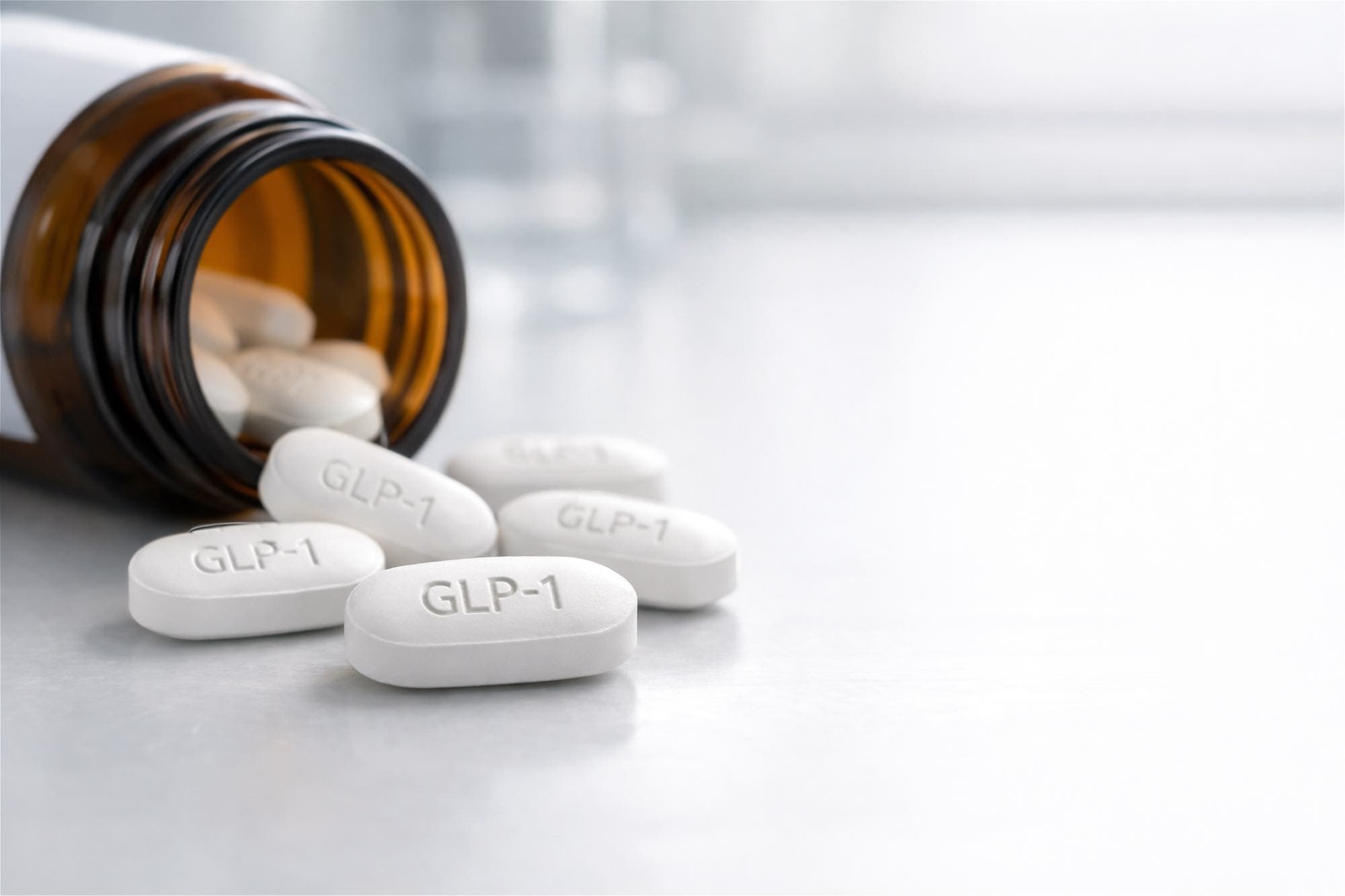
GLP-1 tablets for weight loss

GLP-1 tablets are a type of medication used to help with weight loss and blood sugar control. They belong to a class of medicines called GLP-1 receptor agonists, which mimic a natural hormone involved in appetite regulation and metabolism.

Some GLP-1 medicines are given as weekly injections, but others can be taken as tablets, such as Wegovy tablets and Rybelsus. These oral medications provide another option for people who prefer not to use injections while still benefiting from GLP-1 treatment.

GLP-1 tablets are most commonly prescribed alongside lifestyle changes such as diet and physical activity.

Medical weight loss experts

Clinically proven medications

Coaching and support from UKHICA Health Coaches

What GLP-1 tablets are

GLP-1 tablets contain medicines that mimic the hormone glucagon-like peptide-1 (GLP-1). This hormone plays an important role in how the body regulates hunger, digestion, and blood sugar levels.

By activating GLP-1 receptors, these medicines can help:

  • reduce appetite
  • slow stomach emptying
  • improve blood sugar regulation

These effects can make it easier for some people to reduce calorie intake and lose weight over time.

Unlike injectable GLP-1 medications, GLP-1 tablets are taken by mouth as part of a daily routine.

How GLP-1 tablets work

GLP-1 tablets work by activating the same biological pathways as the body’s natural GLP-1 hormone.

When GLP-1 receptors are stimulated, several effects occur:

  • the brain receives signals that increase feelings of fullness
  • the stomach empties more slowly after eating
  • insulin release can be improved when blood sugar rises

Together, these effects can reduce hunger and help people feel satisfied with smaller portions of food.

GLP-1 medications are usually used as part of a broader weight-management programme that includes lifestyle changes.

GLP-1 tablets vs injections

GLP-1 medicines are available in both tablet and injectable forms: the difference between them is just how the medication is delivered.

GLP-1 tablets

  • taken by mouth
  • usually taken daily
  • may need to be taken on an empty stomach

GLP-1 injections

  • given using a small injection pen
  • typically taken once per week
  • absorbed through the skin rather than the digestive system

Both formats use the same underlying drug class and aim to achieve similar metabolic effects.


Examples of GLP-1 tablets

Only a small number of GLP-1 medicines are currently available in tablet form.

Wegovy tablets
A newer oral version of semaglutide designed for weight management.

Rybelsus
An oral form of semaglutide primarily used to treat type 2 diabetes.

Although these medicines share the same active drug family, they may be approved for different uses and prescribed in different situations.

You can learn more about Wegovy tablets in our dedicated guide.

How much weight can you lose with GLP-1 tablets?

Weight loss results with GLP-1 medications can vary between individuals. Factors such as lifestyle habits, starting weight, and adherence to treatment can all influence outcomes.

GLP-1 medicines are typically prescribed alongside:

  • dietary changes
  • increased physical activity
  • ongoing medical supervision

Many people experience gradual weight loss over several months rather than rapid changes in the first few weeks.

Side effects of GLP-1 tablets

Like all medications, GLP-1 tablets can cause side effects. These are usually related to the digestive system because the medication affects how the stomach and appetite signals work.

Common side effects may include:

  • nausea
  • stomach discomfort
  • changes in appetite

Most side effects are temporary and may improve as the body adjusts to treatment.

Who GLP-1 tablets may be suitable for

GLP-1 medications are typically prescribed for adults who meet certain clinical criteria related to weight and metabolic health.

They are usually considered when:

  • a person has a BMI of 30+ (or 27+ with weight related health conditions)
  • lifestyle changes alone have not been enough to achieve weight loss
  • additional weight-related health risks are present

A healthcare professional will assess whether a GLP-1 medication is appropriate for an individual based on their medical history and health goals.

GLP-1 tablets vs other weight loss pills

GLP-1 medications are different from many older weight loss pills.

For example:

Orlistat works by reducing the absorption of dietary fat in the digestive system, whereas GLP-1 medications primarily affect appetite and metabolic signals that regulate hunger and fullness.

Because they work in different ways, they may be suitable for different people depending on their health history and treatment goals.

Note: Rybelsus is also a semaglutide based tablet, but it is only approved in the UK for treating Type 2 Diabetes. Occasionally it is prescribed “off-label” for weight loss, but this isn’t it’s approved purpose.

GLP-1 tablets - Summary

GLP-1 tablets offer an alternative way to use GLP-1 medications without injections. They work by mimicking a natural hormone that influences appetite, digestion, and blood sugar regulation.

While injectable GLP-1 medicines have been used for longer, tablet versions are expanding the range of options available for weight management.

If you want to learn more about specific medications, you can explore:

FAQ's

Last updated: 

Disclaimer

This article is for general information only and should not be used for the diagnosis or treatment of medical conditions. Medic Spot Limited has used all reasonable care in compiling the information but makes no warranty as to its accuracy. Consult a doctor or other healthcare professional for diagnosis and treatment of medical conditions. In the event of an emergency, please call 999 for immediate assistance.

There is no guarantee of a specific weight loss medication being prescribed. Clinicians will review your online questionnaire alongside other independently validated medical information about you and will recommend the most appropriate weight loss treatments for you based on your answers. In some cases, the clinicians may contact you for additional information. See Terms of Service for more information.