Healthy Fats and GLP-1s: What to Include and What to Limit

Fats are one of the most misunderstood parts of nutrition, especially when you’re taking GLP-1 medication such as Mounjaro or Wegovy. Because these treatments slow digestion, fatty foods can sometimes feel heavier or trigger nausea. Yet fats are still an essential part of a healthy diet and shouldn’t be avoided entirely.

This article explains how to include fats safely, which types to focus on, and how to find a balance that supports your energy and comfort.

Clinical experts in weight management

NICE and MHRA approved medications

Lifestyle and coaching support included

Why Fats Still Matter on GLP-1s

Dietary fats are crucial for hormone regulation, vitamin absorption, and brain health. They provide long-lasting energy, help you feel satisfied, and improve the taste and texture of meals.

When appetite is smaller, every bite counts. Choosing healthy fats helps ensure each meal contributes valuable nutrients without causing heaviness.

How GLP-1s Change Fat Tolerance

GLP-1 medications slow how quickly food leaves your stomach. Large, greasy meals can therefore stay in the stomach longer and cause discomfort or nausea. Smaller portions with gentle, healthy fats are usually easier to tolerate.

The goal is not a low-fat diet but a moderate-fat, high-quality one.

Fats to Include Regularly

Unsaturated fats
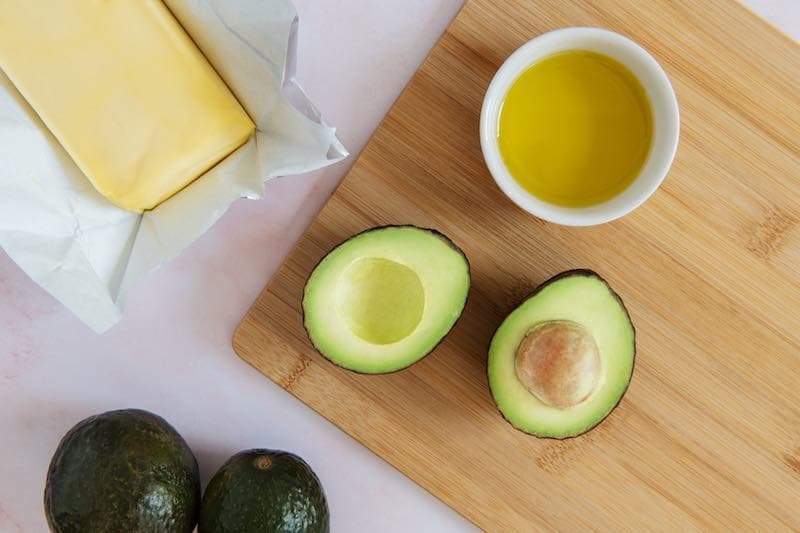
Example foods: Olive oil, rapeseed oil, avocado, nuts, seeds
Benefits: Support heart health and satiety

Omega 3 fats
Example foods: Salmon, mackerel, sardines, flaxseed, chia seeds
Benefits: Reduce inflammation and support brain function

Moderate dairy fats
Example foods: Yoghurt, milk, cheese
Benefits: Provide calcium and texture

Plant based spreads
Example foods: Avocado, nut butters
Benefits: Simple to digest and easy to portion

tip

Adding small amounts of these fats can enhance both nutrition and comfort.

Fats to Limit

Heavy or processed fats can worsen digestive side effects:

  • Fried or greasy meals
  • Creamy sauces, pastries, or rich desserts
  • Excess cheese or butter
  • Large portions of nuts or seeds in one sitting

It’s fine to enjoy these foods occasionally, but smaller portions will usually feel more comfortable.

How to Balance Fats in Small Meals

Pair Fats with Protein and Fibre

A little fat combined with protein and fibre provides balance and lasting satisfaction. For example, yoghurt with nuts and berries or salmon with vegetables.
See: Protein on GLP-1s: Getting Enough While Eating Less.

Add Fat After Cooking

Use olive oil or seed oil after cooking rather than frying. This keeps flavour while avoiding heaviness.

Use Small Amounts Often

Half an avocado, a teaspoon of nut butter, or a drizzle of oil gives benefits without discomfort.

Choose Soft, Natural Textures

Avocado, hummus, and tahini are easy to digest and nutrient-dense alternatives to fried foods.

Watch for Hidden Fats

Packaged foods and sauces can contain more saturated fat than expected. Check labels if you’re eating smaller portions but still feeling heavy or sluggish.

Example Day of Balanced Fat Intake

Breakfast
Greek yoghurt with chia seeds and berries
Fat source: Seeds and dairy fat

Snack
Handful of almonds
Fat source: Unsaturated fats

Lunch
Chicken and avocado wrap
Fat source: Healthy fats and protein

Snack
Apple slices with peanut butter
Fat source: Plant fats and fibre

Dinner
Grilled salmon with roasted vegetables
Fat source: Omega 3s and olive oil

Evening
Herbal tea
Fat source: Light finish, no added fats

This pattern spreads small amounts of healthy fat throughout the day for better comfort and steady energy.

Common Questions

Do GLP-1s mean I should eat low-fat?
No. Healthy fats are essential for overall health. Focus on moderate portions and gentle cooking methods rather than restriction.

Why do fatty foods make me feel nauseous?
Fats take longer to digest. Large or fried meals can linger in the stomach, increasing fullness or nausea. Smaller, softer meals help prevent this.

Is olive oil safe to use every day?
Yes. Olive and rapeseed oils are good choices for everyday use in small amounts.

When to Seek Support

Speak to a clinician if you experience:

  • Ongoing nausea or heaviness after meals
  • Difficulty tolerating even small amounts of fat
  • Unintended rapid weight loss or nutrient concerns

Your Medicspot health coach can help you to explore dietary changes that work for you.

Key takeaways

  • Fats are essential for overall health and should not be avoided on GLP-1s.
  • Choose unsaturated and omega-3 fats in small amounts.
  • Limit greasy or fried foods that slow digestion.
  • Combine fats with protein and fibre for balanced meals.
  • Seek help if high-fat foods consistently cause discomfort.

Support from Medicspot

Healthy fats make meals satisfying, nourishing, and sustainable during GLP-1 treatment. If you’re unsure which foods work best for your body, Medicspot clinicians and health coaches can guide you. Together, they can help you create a balanced, comfortable plan that fits your appetite and goals.

If you’re not currently a Medicspot member but would like to join us then take our quick online weight loss assessment.