Hydration on GLP-1s

Why It Matters and How to Stay On Track

Many people starting GLP-1 medications such as Mounjaro or Wegovy notice their appetite and thirst change at the same time. Because these treatments slow digestion and create a lasting feeling of fullness, drinking enough water can sometimes be more difficult. Yet good hydration is vital to feeling comfortable and maintaining healthy digestion.

This guide explains why hydration matters, how much to drink, and how to stay on track even when your stomach feels full or unsettled.
Clinical experts in weight management

NICE and MHRA approved medications

Lifestyle and coaching support included

Reviewed by

Medicspot Staff Author

Medicspot Staff Author

Author

Last Updated: Dec 08, 2025

Next Review: Oct 30, 2026

Why Hydration Is Important on GLP-1 Medication

GLP-1s work by slowing the rate that food and fluid leave your stomach. This helps you stay satisfied for longer but can make it harder to take in enough liquid during the day. When your body is slightly dehydrated, side effects such as nausea, constipation, headaches, and fatigue can feel worse.

Hydration supports digestion, circulation, and temperature regulation. It also helps you maintain focus and energy while your calorie intake naturally decreases.

How Much Fluid You Need

Most adults need about 1.5 to 2 litres of fluid each day, though individual needs vary with activity level, weather, and diet. You do not need to drink it all at once. Small, steady sips throughout the day are usually best tolerated.

All fluids count toward your total water intake, herbal teas, milk, diluted juice, soups, and even smoothies contribute.

Signs You Might Not Be Drinking Enough

Because GLP-1s can dull your thirst signal, dehydration can creep up without obvious warning. Signs to look for include:

  • Dry mouth or lips
  • Headaches or light-headedness
  • Dark-coloured urine or reduced urination
  • Fatigue or irritability
  • Constipation or harder stools

If you notice several of these together, increase your fluid intake and contact a clinician if symptoms persist.

Simple Ways to Stay Hydrated

Sip Little and Often

Large drinks can feel uncomfortable when your stomach empties slowly. Keep a water bottle nearby and take small sips regularly instead of drinking full glasses in one go.

Flavour Water Naturally

Adding fruit slices, cucumber, or herbs like mint makes water more appealing without sugar or fizz. Slight flavour changes often encourage better consistency.

Include Hydrating Foods

Fruits and vegetables such as watermelon, cucumber, strawberries, courgette, and lettuce all contribute to hydration. Soups, stews, and smoothies provide both fluid and nutrients.
See also: Best Fruits to Eat on GLP-1s.

Choose Drinks That Settle the Stomach

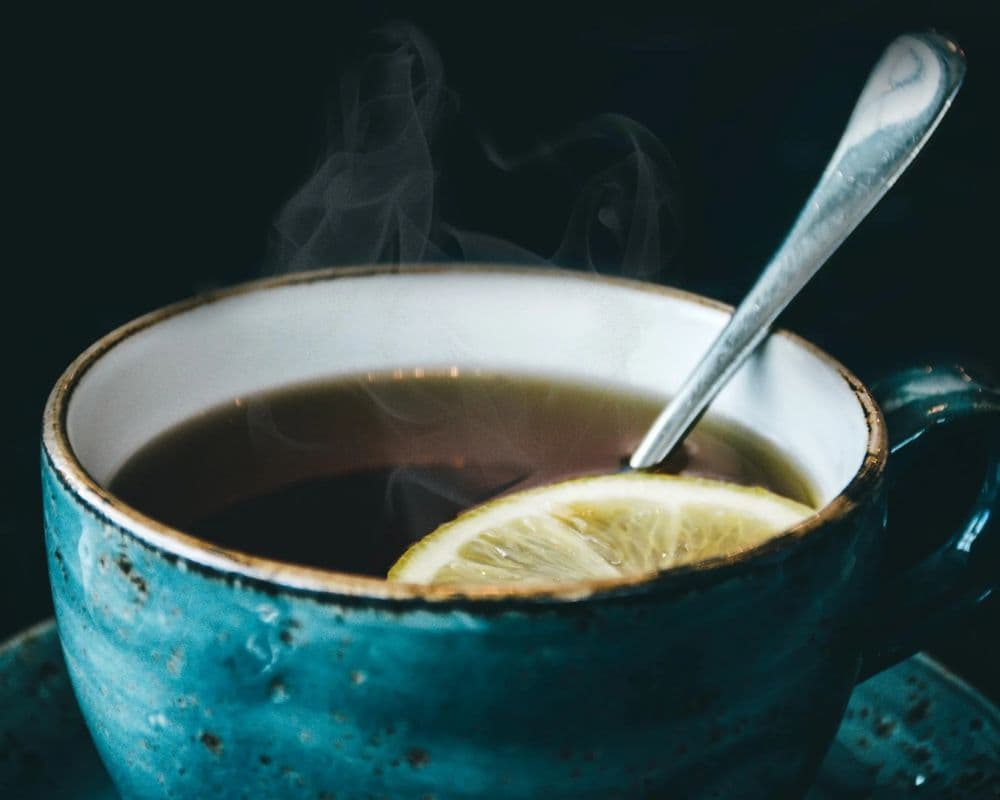
Warm ginger or peppermint tea can soothe mild nausea. Lukewarm water may also feel gentler than ice-cold drinks.

Use Hydration Reminders

Phone alarms, refill goals, or tracking bottles can help you maintain your daily routine. If fullness limits your intake, choose smaller glasses and spread them across the day.

Replace Fluids Lost Through Exercise or Heat

Physical activity and warm weather increase fluid loss. Rehydrate gradually with water or an electrolyte drink after exercise.
See: Exercise and GLP-1s

Drinks to Limit

Some beverages can worsen bloating or dehydration:

  • Fizzy or carbonated drinks
  • Alcohol
  • Very sugary juices or energy drinks
  • Excess coffee or tea if they cause jitteriness or stomach upset

If you enjoy coffee or tea, balance each cup with extra water during the day.

Hydration and Digestive Comfort

Hydration works together with fibre to keep your digestive system comfortable. If you increase fibre intake but don’t also increase fluids, constipation can worsen. Aim to combine both, plenty of vegetables, oats, or fruit with regular water or herbal tea.

When to Seek Support

Contact a healthcare professional if you:

  • Are unable to keep fluids down for more than 24 hours
  • Experience dizziness, confusion, or rapid heartbeat
  • Show persistent signs of dehydration
  • Have ongoing nausea that prevents eating or drinking

Medicspot clinicians can assess whether your medication dose or timing needs adjustment and suggest further support to help you stay hydrated.

Support from Medicspot

You don’t have to manage side effects alone. If nausea is making it difficult to eat or stay hydrated, speak to your Medicspot clinician or health coach. They can review your medication, tailor nutrition advice, and help you stay on track with your goals safely and comfortably. If you’re not currently a Medicspot member but would like to join us then take our quick online weight loss assessment.