What to eat on GLP-1 medication

GLP-1 medications such as Mounjaro and Wegovy help people lose weight by reducing appetite and slowing digestion. While these changes support long-term health, eating less food can sometimes mean taking in fewer vitamins and minerals. Most people can meet their needs with thoughtful food choices, but understanding which nutrients to focus on helps prevent fatigue and imbalance.

This article explains how to maintain good nutrition and when to seek extra support.
Clinical experts in weight management

NICE and MHRA approved medications

Lifestyle and coaching support included

Why Micronutrient Intake Matters on GLP-1s

Micronutrients are vitamins and minerals that support hundreds of functions in the body. They help convert food into energy, maintain bones and muscles, and protect the immune system.

When your appetite is smaller and meals are lighter, it’s easy to miss out on certain nutrients over time. Ensuring a balanced mix of foods helps your weight-loss plan stay safe and sustainable.

Key Nutrients to Pay Attention To

Iron

Iron carries oxygen around the body and supports energy levels. Low iron can cause tiredness and pale skin. Include lean red meat, chicken, lentils, beans, and fortified cereals. Pair with food high in vitamin C for better absorption.

Vitamin B12

Essential for nerve function and red blood cell production. Found in meat, fish, eggs, and dairy, or in fortified plant alternatives. Long-term use of GLP-1s doesn’t directly lower B12, but smaller diets can reduce intake.

Vitamin D

Important for bones, mood, and immunity. In the UK, sunlight alone is rarely enough, especially in winter. The NHS recommends a daily supplement of 10 µg (400 IU) for adults.

Calcium

Supports bone and muscle health. Found in milk, yoghurt, cheese, tofu, and fortified plant milks. Regular small servings keep levels stable even with reduced portions.

Folate and Other B Vitamins

These help the body release energy from food and form new cells. Found in leafy greens, beans, lentils, and wholegrains.

Magnesium and Potassium

Important for muscle relaxation, heart rhythm, and nerve function. Found in nuts, seeds, bananas, potatoes, and vegetables.

Why Deficiencies Can Develop

Eating smaller meals reduces the range of nutrients consumed across the day. If you avoid certain foods due to nausea, texture issues, or preferences, you may fall short on key vitamins or minerals.

Additionally, rapid weight loss can change how the body uses stored nutrients. A mindful approach to variety helps counterbalance this effect.

Practical Ways to Maintain Micronutrient Balance

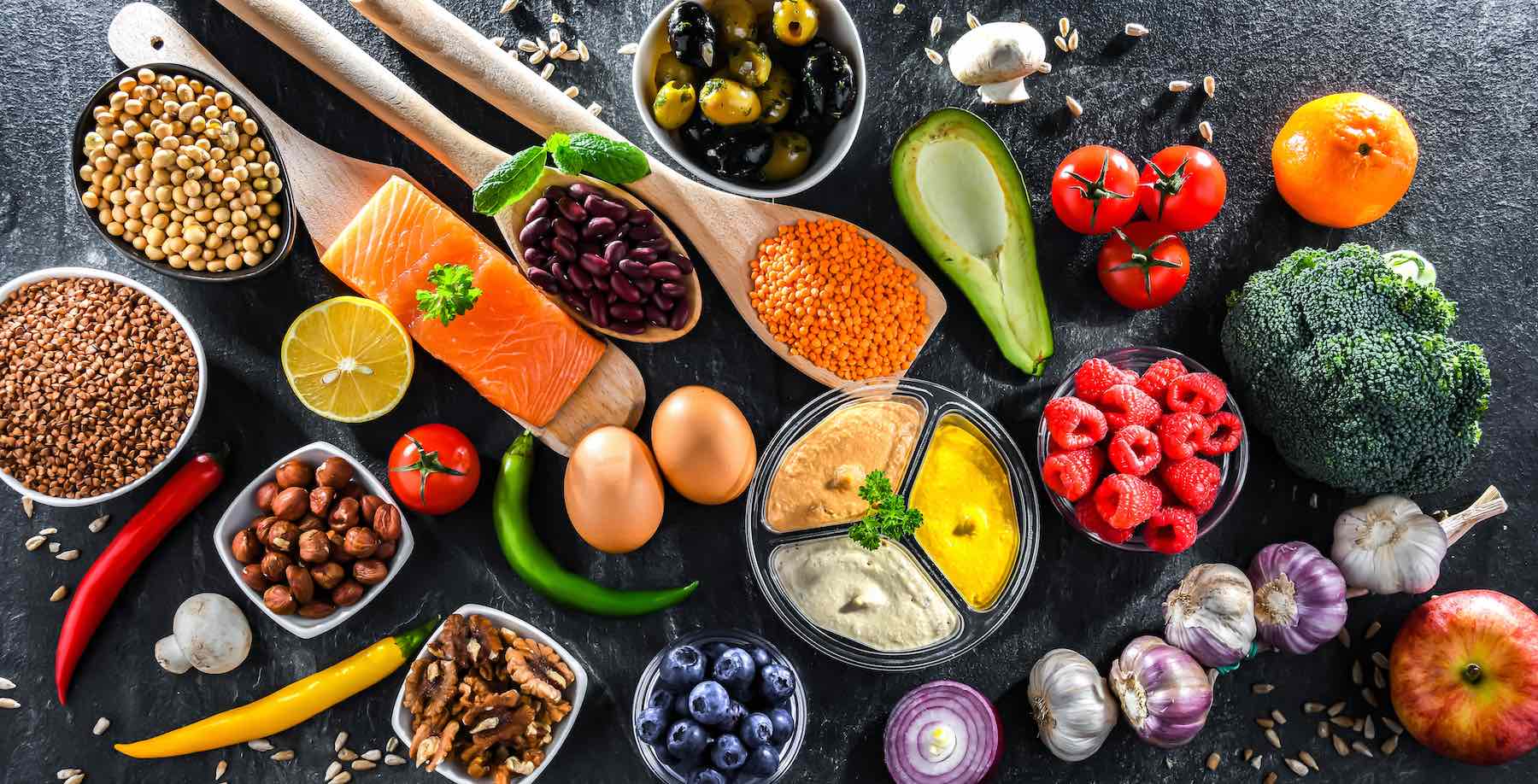
Include a Variety of Colours on the Plate

Different colours in fruit and vegetables indicate a range of antioxidants and vitamins. Aim for three or more colours per meal.

Choose Fortified Foods

Fortified cereals, plant milks, and yoghurts are reliable ways to get B12, calcium, and vitamin D without large portions.

Combine Protein with Vegetables or Grains

Each meal should include at least two food groups. For example, salmon with spinach and quinoa provides protein, iron, and magnesium.

Don’t Skip Meals

Even small meals matter. Three small meals and one or two snacks are usually enough to maintain balance.

Consider a General Multivitamin

A standard daily multivitamin can act as a safety net if you’re eating very small portions. Avoid high-dose or unverified supplements unless prescribed. Contact your GP for advice if you have any concerns. 

Example Balanced Day for Micronutrient Coverage

Breakfast
Porridge with milk, chia seeds, and berries
Nutrient highlights: Calcium, magnesium, vitamin C

Snack
Yoghurt or fortified soy yoghurt
Nutrient highlights: Protein, vitamin D, B12

Lunch
Lentil and vegetable soup
Nutrient highlights: Iron, folate, fibre

Snack
Handful of nuts and a banana
Nutrient highlights: Magnesium, potassium

Dinner
Grilled salmon with spinach and sweet potato
Nutrient highlights: Iron, omega 3, vitamin A

Evening
Herbal tea or fortified drink
Nutrient highlights: Hydration and trace minerals

Signs You Might Need More Nutrients

Low nutrient intake can show up gradually. Watch for:

  • Persistent tiredness or low mood
  • Brittle hair or nails
  • Frequent illness or mouth ulcers
  • Tingling or numbness in hands or feet
  • Muscle weakness or cramps

If these occur, ask a clinician for blood tests to check vitamin and mineral levels.

When to Seek Support

Consult a healthcare professional if:

  • You feel fatigued or dizzy despite eating regularly
  • You’ve lost weight faster than expected
  • You follow a vegan or highly restricted diet
  • You take other medications affecting nutrient absorption

Key takeaways

  • Smaller meals on GLP-1s can mean lower vitamin and mineral intake.
  • Focus on colourful, varied meals and fortified foods.
  • Consider a vitamin D or general multivitamin supplement.
  • Speak with a clinician before taking high-dose supplements.
  • Regular monitoring keeps your progress healthy and sustainable.

Support from Medicspot

Good nutrition keeps your body strong while GLP-1 medication supports your weight loss. If you’re unsure whether you’re getting enough vitamins and minerals, Medicspot clinicians and health coaches can help. They can check your nutrient status and provide clear, personalised advice for maintaining balance throughout your journey.

If you’re not currently a Medicspot member but would like to join us then take our quick online weight loss assessment.