Portion Sizes on GLP-1s

How to Adapt When You Feel Full Sooner

If you’ve started taking a GLP-1 medication such as Mounjaro or Wegovy, you may find yourself feeling full after just a few bites. This is one of the most noticeable effects of treatment and a sign that the medication is working. Learning how to adjust your portions without under-eating is important to help you stay nourished and comfortable as your body adapts.

This guide explains why fullness changes, how to manage smaller portions, and how to make sure you’re still getting everything you need.
Clinical experts in weight management

NICE and MHRA approved medications

Lifestyle and coaching support included

Why You Feel Full Sooner on GLP-1s

GLP-1s slow down how quickly food leaves the stomach, meaning it takes longer to digest each meal. This helps regulate appetite and prevents overeating, but it can also make it easier to feel full before you’ve eaten enough nutrients.

In the early weeks of treatment, your appetite may drop significantly. As your body adjusts, you’ll learn how to find a balance between smaller, satisfying meals and steady nutrition.

Principles for Adjusting Portion Sizes

Eat Slower and Stop at Comfortable Fullness

Take time to chew thoroughly and notice when fullness starts. Eating slowly gives your body a chance to send signals that you’ve had enough before you become overly full.

Start with Half Portions

Serve yourself a smaller amount than usual. If you still feel hungry after 10 to 15 minutes, add a few extra bites. This prevents discomfort and helps you tune in to your new appetite levels.

Prioritise Protein and Nutrients First

Protein is essential for maintaining muscle mass and keeping you satisfied between meals. Eat your protein source first, followed by vegetables and wholegrains.
See: Getting Enough Protein on GLP-1s.

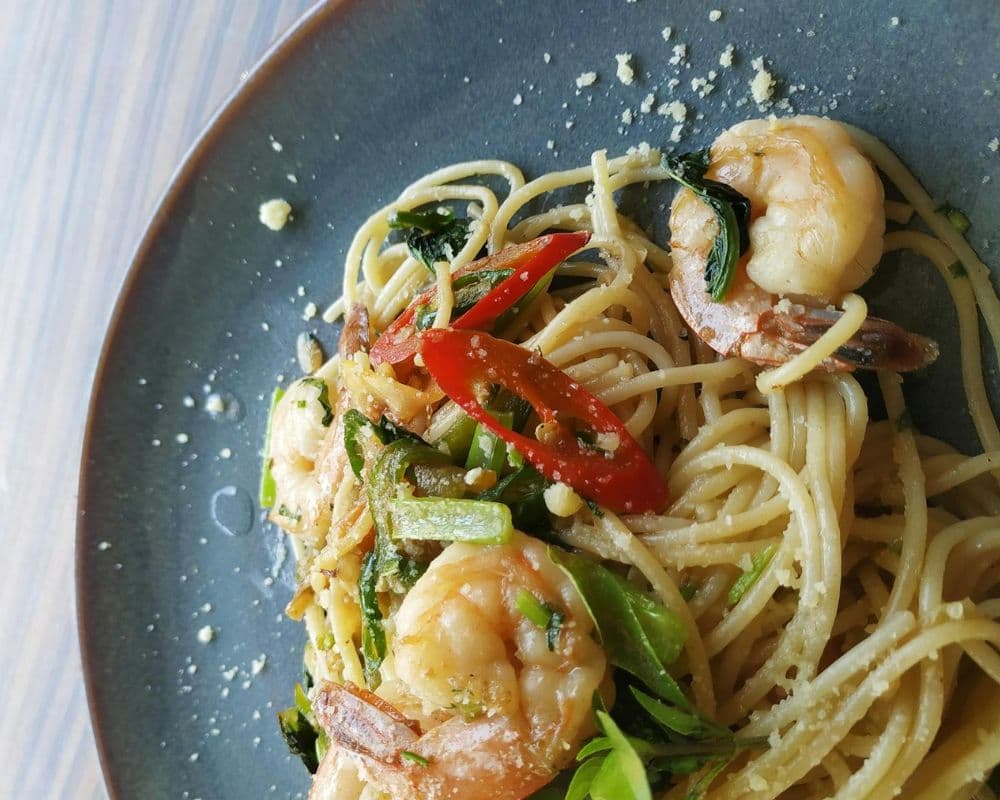
Use Smaller Plates or Bowls

Smaller dishes make modest portions look generous, which can help you feel satisfied visually as well as physically.

Choose Soft, Balanced Foods Early On

When your stomach capacity feels reduced, soft or blended foods can be easier to tolerate. Options like soups, smoothies, or porridge can be filling without heaviness.
Read more: Reintroducing Foods After Side Effects Settle.

Avoid Drinking Large Amounts with Meals

Drinking too much while eating can create discomfort or fullness before you’ve eaten enough. Take small sips if needed and focus on drinking between meals instead.
See also: Hydration on GLP-1s: Why It Matters and How to Stay On Track.

How to Build a Balanced Smaller Meal

When appetite is low, food quality matters more than food quantity. A small, balanced meal could include:

  • A palm-sized portion of lean protein (fish, chicken, tofu, or eggs)
  • A serving of non-starchy vegetables
  • A small serving of wholegrains or root vegetables
  • A teaspoon or two of healthy fats such as olive oil or avocado

This combination can provide energy, satiety, and nutrition without excess volume.

Common Challenges and How to Manage Them

Worrying About Not Eating Enough

It’s natural to wonder if smaller meals provide enough nutrients. As long as you include protein, fibre, and healthy fats, your body will adjust. Smoothies and soups can help on days when solid food feels difficult.

Feeling Uncomfortably Full

If fullness feels heavy or unpleasant, slow down your eating pace and avoid mixing dense foods with large drinks. Staying upright for an hour after meals can help digestion.

Appetite Fluctuations

Appetite can vary from day to day. On lower appetite days, focus on light, nutrient-dense options like yoghurt with chia seeds, lentil soup, or scrambled eggs.

Example Day of Eating with Smaller Portions

Breakfast
Greek yoghurt with berries and chia seeds
Description: Protein and fibre to start the day

Snack
Protein shake or boiled egg
Description: Compact and nutrient dense

Lunch
Half wrap with chicken, salad, and hummus
Description: Small, balanced portion

Snack
Apple slices with peanut butter
Description: Fibre and healthy fats

Dinner
Salmon with vegetables and quinoa
Description: Small, balanced meal

This approach ensures balance and comfort without leaving you feeling restricted. 

When to Seek Support

Contact a healthcare professional if:

  • You struggle to eat enough to maintain energy
  • You experience ongoing nausea, fatigue, or weakness
  • You lose weight more rapidly than expected
  • You feel anxious about food intake or side effects

Medicspot clinicians can assess your dose timing, provide reassurance, and help develop a plan that keeps you nourished while continuing to lose weight safely.

Key takeaways

  • Feeling full sooner is a normal effect of GLP-1 medication.
  • Start with smaller portions, eat slowly, and prioritise nutrient-rich foods.
  • Avoid cutting portions to the point of undernourishment.
  • Seek help if fullness prevents you from eating enough or causes ongoing discomfort.

Support from Medicspot

Adjusting portion sizes is a learning process. Medicspot clinicians and health coaches can help you create a realistic eating plan that supports your treatment and keeps you feeling well. They can guide you through appetite changes and ensure your diet remains balanced every step of the way.

If you’re not currently a Medicspot member but would like to join us then take our quick online weight loss assessment.