Nutrition and Diet on GLP-1s: How to Eat Well While Losing Weight

Eating well on GLP-1s is not about dieting harder or following strict rules. It’s about learning how to nourish your body with smaller, balanced meals that feel comfortable and satisfying.

This Medicspot guide explains how appetite, digestion, and nutrition needs change on GLP-1 receptor agonists like Mounjaro and Wegovy. Our Nutritionist and Health Coaches provides practical advice on what to eat, how to structure meals, and when to seek support. It also links to more detailed weight management guides on subjects like protein, fibre, hydration and other key topics to support you on your weight loss journey.


Clinical experts in weight management

NICE and MHRA approved medications

Nutrition course and coaching included

Introduction

When you start taking a GLP-1 medication such as Mounjaro or Wegovy, your relationship with food changes. You may feel full sooner, find certain foods less appealing, or experience nausea in the first few weeks. These shifts are normal and part of how the medication helps you eat less and lose weight.

tip

You can also see our complete guide for “What to eat on Mounjaro“.

How GLP-1 Medications Change Eating Patterns

GLP-1 medications slow how quickly food leaves your stomach and enhance signals of fullness between the gut and the brain. This helps control hunger and reduce cravings, but it also means your digestion feels different.

You might notice that:

  • Smaller portions are enough to feel satisfied
  • Heavy or greasy foods are harder to tolerate
  • Drinking too little water can cause constipation
  • Skipping meals can lead to tiredness or nausea

By understanding these changes, you can find new ways of eating that feel comfortable while still giving your body the nourishment it needs.

Key Nutrition Tips for GLP-1 Users

When you’re taking GLP-1 medication, the principles of healthy eating don’t change, but some areas of nutrition become more important. Paying extra attention to protein, hydration, and gentle fibre, along with keeping portion sizes comfortable, helps you stay nourished while also working with the way the medication changes your appetite and digestion.

Principle: Protein first
Why it matters:
Protein helps you feel fuller for longer, maintain steady energy, and preserve muscle even when your appetite is smaller. Good sources include eggs, yoghurt, chicken, fish, beans, or tofu.

Principle: Fibre focused
Why it matters:
Adding more fibre-rich foods such as fruits, vegetables, beans, and wholegrains supports digestion and helps relieve constipation. Increase fibre gradually and drink plenty of water to stay comfortable.

Principle: Stay hydrated
Why it matters:
Drinking water regularly helps prevent constipation, reduces headaches or dizziness, and supports stable energy levels throughout the day.

Principle: Comfortable portions
Why it matters:
Eating slowly and stopping when you feel satisfied makes meals easier to tolerate and helps prevent nausea or bloating.

Principle: Think about texture
Why it matters:
Softer, moist foods like soups, stews, or yoghurt are often easier to digest and gentler on the stomach than dry, dense, or heavy meals.

Principle: Regular meals
Why it matters:
Eating smaller, steady meals throughout the day instead of long gaps followed by large portions can help prevent nausea, maintain comfort, and keep energy consistent.

Why Nutrition Matters During GLP-1 Treatment

A balanced diet supports:

  • Safe and sustainable weight loss
  • Muscle preservation during fat loss
  • Stable blood sugar and energy levels
  • Fewer side effects and faster recovery if nausea or fatigue occur

Without enough protein, fluid, or micronutrients, you may feel weaker or tire more easily. Small, consistent meals built around nourishing foods make all the difference.

Common Eating Challenges on GLP-1s

Every person’s experience is slightly different, but most people encounter at least one of these:

Nausea or reduced appetite
Common early side effect when starting medication.
Related guide: Managing Nausea Through Food Choices on GLP-1s

Constipation
Caused by slower digestion and reduced fluid intake.
Related guide: Fibre on GLP-1s: Balancing Digestion and Fullness

Feeling full too quickly
Portion sizes need to shrink and be better balanced.
Related guide: Portion Sizes on GLP-1s: How to Adapt When You Feel Full Sooner

Reflux or heartburn
Large or rich meals can worsen symptoms.
Related guide: Reflux and GLP-1s: How to Reduce Discomfort Through Food Choices

Low protein intake
Appetite may drop before protein needs are met.
Related guide: Protein on GLP-1s: Getting Enough While Eating Less

Dehydration
Common if drinking habits don’t change with appetite.
Related guide: Hydration on GLP-1s: Why It Matters and How to Stay On Track

Example Daily Pattern for GLP-1 Nutrition

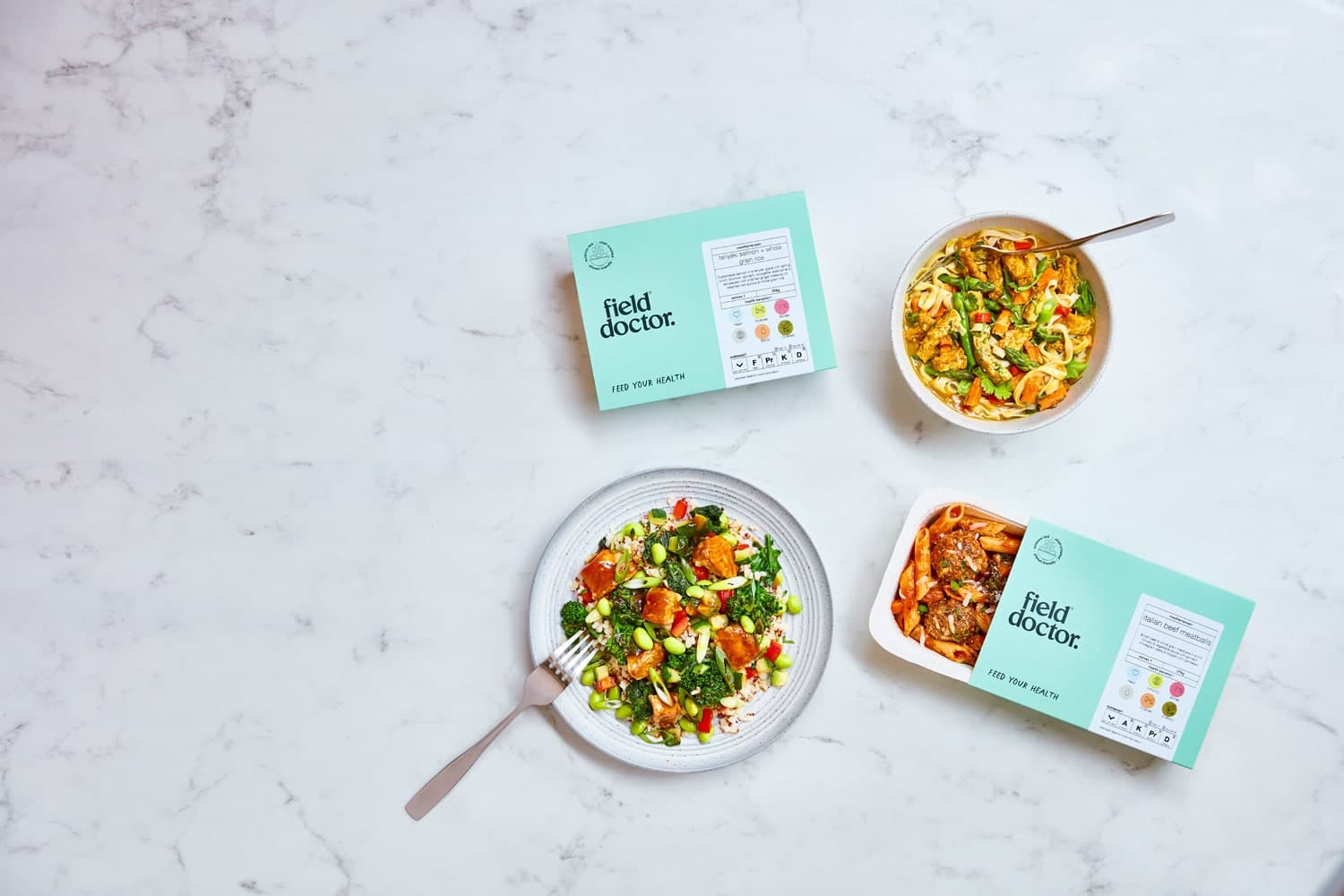
Here’s what a typical day might look like once your appetite has settled:

Breakfast
2 scrambled eggs on 1 slice of wholegrain toast with ¼ avocado and tomatoes
Focus: Protein and healthy fats to keep energy levels stable

Mid-morning
Greek yoghurt with berries and a sprinkle of oats
Focus: Protein, fibre and gentle on digestion

Lunch
Chicken and chickpea salad with mixed greens, olive oil dressing and wholegrain pitta bread
Focus: Balanced meal with protein and complex carbs

Afternoon
A few squares of dark chocolate with 15g nuts and fresh strawberries
Focus: Light snack with healthy fats and fibre

Dinner
Baked salmon (120g) with roasted potatoes and broccoli
Focus: Moderate meal for comfort and fullness

Evening
Water, decaf or herbal tea
Focus: Rehydration before bed

Meals can be adjusted for vegetarian, vegan, or cultural preferences.

Practical Meal Planning and Eating Patterns

Meal structure, balance, and portion control are key to staying nourished and comfortable on GLP-1 medication. These guides offer realistic approaches to planning meals and snacks that support energy, comfort, and long-term results.

Food Choices and Everyday Ingredients

Choosing the right foods helps you stay comfortable while maintaining nutritional balance on GLP-1s. Explore practical advice on fruits, fibre, carbohydrates, and other everyday ingredients that fit easily into a balanced plan.

Dietary Lifestyles and Special Diets

Whether you’re vegetarian, vegan, or simply adapting your diet to new preferences, these resources help you stay nourished, meet your protein needs, and maintain balance while using GLP-1 medication.

Supplements and Add-Ons

Some products claim to boost weight loss or support nutrition — but not all are necessary or safe while using GLP-1 medication. Learn what’s worth considering and what to avoid.

Why Nutrition Matters During GLP-1 Treatment

A balanced diet supports:

  • Safe and sustainable weight loss
  • Muscle preservation during fat loss
  • Stable blood sugar and energy levels
  • Fewer side effects and faster recovery if nausea or fatigue occur

Without enough protein, fluid, or micronutrients, you may feel weaker or tire more easily. Small, consistent meals built around nourishing foods make all the difference.

Further information on Supplements and Micronutrients

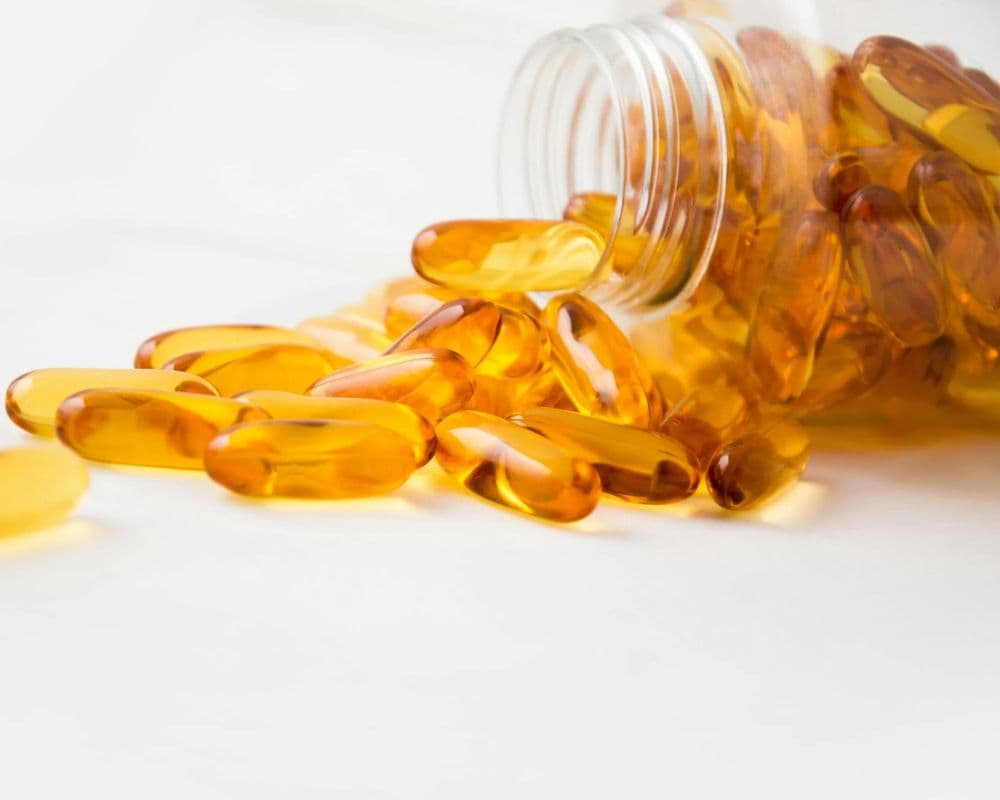
Because GLP-1s reduce appetite, some people may naturally eat less of certain nutrient-dense foods. You don’t need to take supplements routinely, but it’s worth checking your intake of:

  • Iron and B12: important if you eat less red meat or follow a vegetarian diet.
  • Vitamin D: especially during the winter months.
  • Electrolytes: if you experience dehydration, particularly in hot weather.

If you’re unsure whether supplements are right for you, speak to a Medicspot clinician before adding anything new.

When to Seek Professional Support

Contact a clinician if you experience:

  • Ongoing nausea, reflux, or constipation
  • Rapid weight loss beyond your target range
  • Weakness, fatigue, or dizziness
  • Difficulty tolerating most foods or fluids

Medicspot clinicians can review your medication plan, meal structure, and hydration strategy to ensure you’re meeting your nutritional needs safely.

Key Takeaways

  • GLP-1 medications change appetite and digestion, so eating smaller, balanced meals becomes key.
  • Focus on protein, hydration, and gentle fibre.
  • Soft textures and slower eating help prevent discomfort.
  • Plan meals around nourishment, not restriction.
  • Seek help early if side effects or low appetite make eating difficult.

Support From Medicspot

Healthy eating on GLP-1s is about comfort, balance, and long-term success — not perfection. Small adjustments to what and how you eat can make a big difference to how you feel.

Medicspot clinicians and health coaches can help you create a tailored plan that works with your appetite and lifestyle. Whether you need to manage side effects, improve nutrition, or get back on track after treatment changes, our team is here to guide you.

About the author and reviewer

Laura Reed is a UKIHCA approved Health Coach at Medicspot, who also has a Level 5 diploma in Health & Wellness Coaching and a Level 4 Diploma in Nutrition.

Mei Wan is a Registered Dietitian and Nutritionist and Founder of Mei Wan Nutrition. Mei has been a dietitian for 10 years after obtaining her nutrition and dietetics degree from the University of Surrey.

Disclaimer

This article is for general information only and should not be used for the diagnosis or treatment of medical conditions. Medic Spot Limited has used all reasonable care in compiling the information but makes no warranty as to its accuracy. Consult a doctor or other healthcare professional for diagnosis and treatment of medical conditions. In the event of an emergency, please call 999 for immediate assistance.

There is no guarantee of a specific weight loss medication being prescribed. Clinicians will review your online questionnaire alongside other independently validated medical information about you and will recommend the most appropriate weight loss treatments for you based on your answers. In some cases, the clinicians may contact you for additional information. See Terms of Service for more information.